





Jeremy Andrews
Founding Partner/CEO

Tag1 has built a reputation on elevating projects and teams across the globe. With architecture oversight, audit, gatekeeping, and rescue services, we ensure your company's website performs at its "peak"—always.
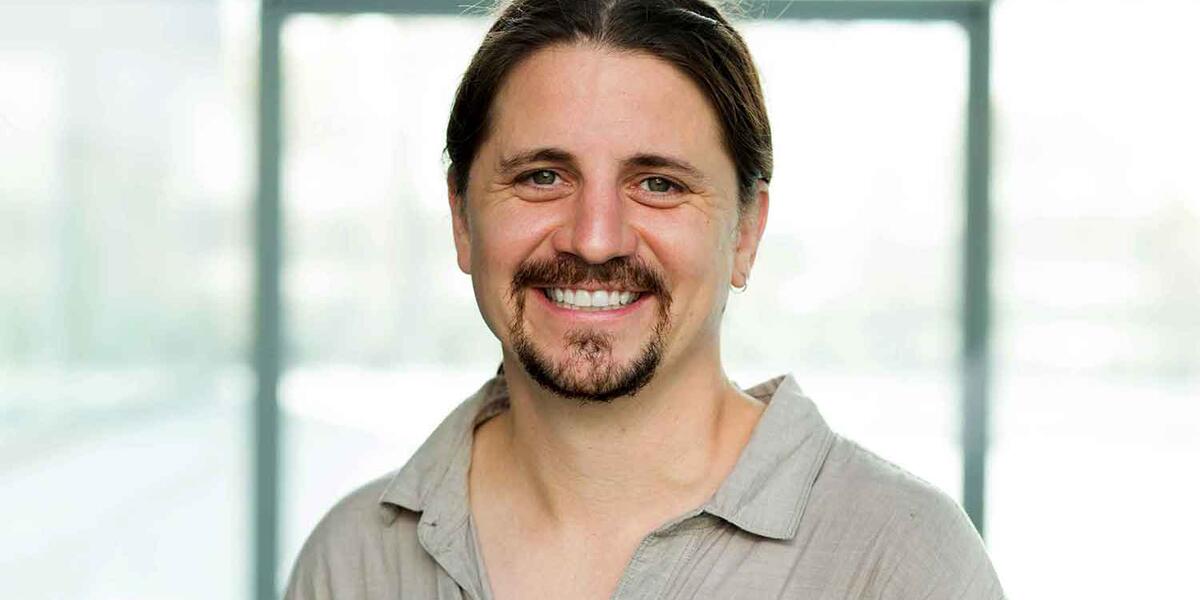
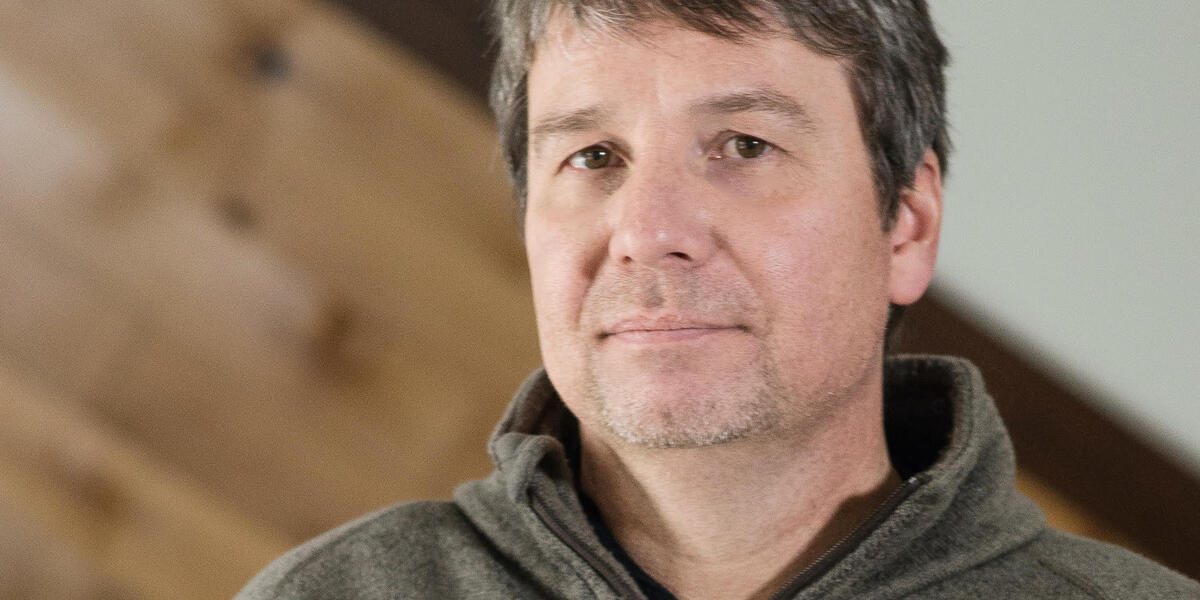
Jeremy founded Tag1 Consulting in 2007. He has been a contributing core Drupal developer since 2002, and helped establish Drupal as a successful CMS through the early popularity of his personal blog, KernelTrap.org. Over the years, he authored and maintained the core statistics module and throttle module, as well as the pager logic and the initial Drupal 5 installer. He continues to contribute to the Drupal caching layer, offers optimizations to the bootstrap process, and maintains a high performance patchset. He actively maintains numerous Drupal modules including the spam module, the support module, the ad module, and the dba module. Beyond Drupal, Jeremy is a networking guru that has maintained the source code for a UNIX-kernel based, EAL5+ certified, commercial firewall.


Narayan is a co-owner of Tag1 Consulting, who joined the team in 2008. He was introduced to Drupal during his tenure at the Oregon State University Open Source Lab where he was the co-lead system administrator, and served as their Database Administrator of over 180 MySQL databases, the Freenode Server administrator, and the Drupal.org Server Administrator. He is a permanent member of the Drupal Association as their Systems Coordinator, and is a member of the Drupal.org infrastructure team. He is also a co-maintainer of the Pressflow high performance Drupal distribution. Narayan is a co-author of the O'Reilly book High Performance Drupal.
Outside of Drupal, Narayan has been deeply involved in the FreeBSD, Gentoo and Slackware communities. He was a contributing editor and system administrator of a popular Linux community website. As a Google Summer of Code student he developed the KDE front-end to the SUSE System Update server, and became a KDE core committer in 2007. He also ported and updated the XML-RPC system to KDE3 and KDE4.
More recently, he acted as infrastructure lead for the examiner.com 2.0 re-launch and infrastructure lead for the drupal.org redesign launch. Narayan is currently Chief Technology Officer at Tag1 Consulting.


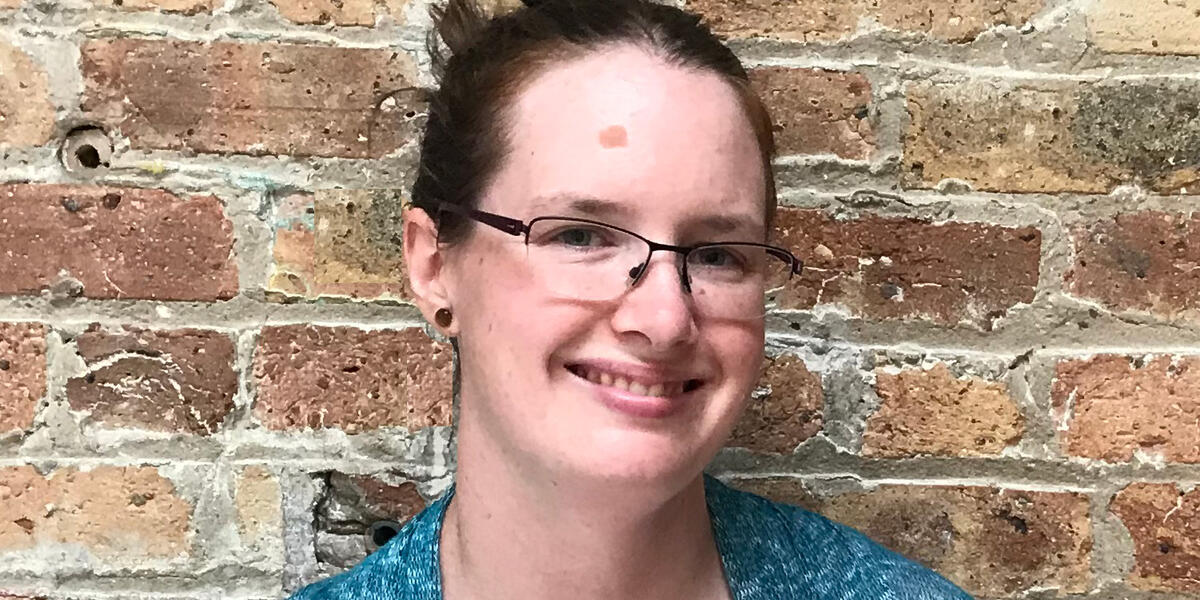
If Stanford University had been handing out Social Engineering degrees, Peta Hoyes would have graduated magna cum laude. Instead, she leveraged their Mechanical Engineering program as a launch pad for using technology and digital media to build practical solutions for extraordinary people. The one-time entrepreneur and current manager at Tag1 Consulting has finessed all aspects of the website development process for a diverse client list.
What drives her is making technology transparent and usable; creating highly efficient virtual teams; and furthering the mission of game-changing organizations using open source technology.
While managing Tag1's distributed team of unparalleled performance engineers from her home base in New York City, she likes to say that she optimizes the team who optimizes the machines.

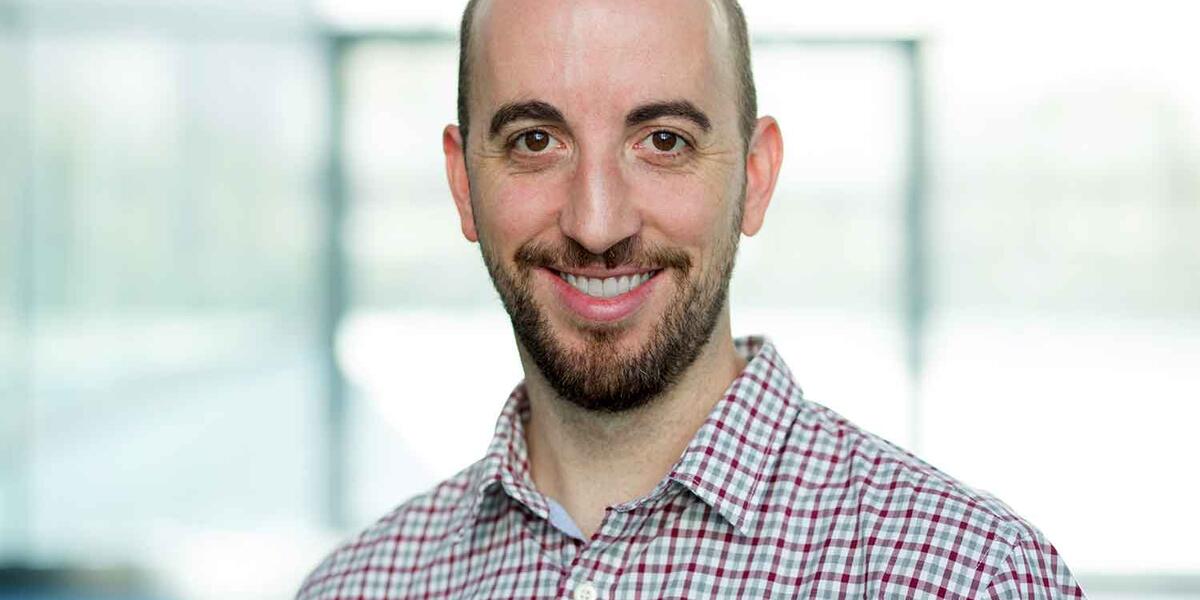
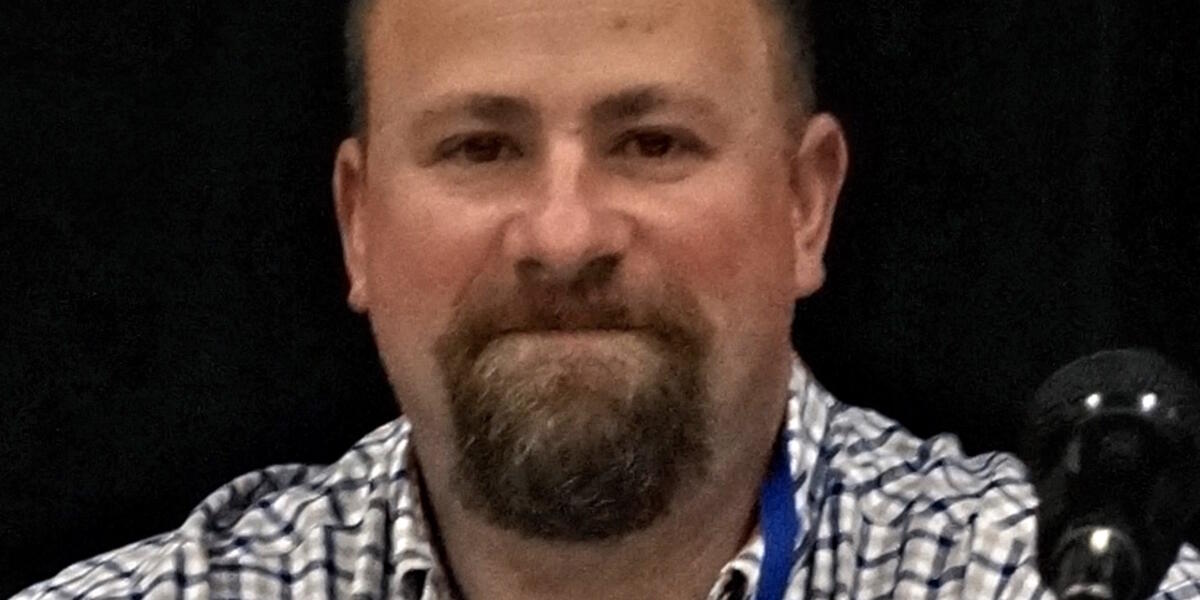
Jeff is a Partner and CIO at Tag1 Consulting where he works with clients of all sizes to create and maintain secure, automated, and high performance server infrastructures. A proponent of configuration management systems before Chef and Puppet existed, he leverages those and other tools to quickly deploy scalable infrastructures to support high traffic websites and applications.
Jeff has extensive experience with all aspects of open source software, gained over the years. As Operations Manager at Oregon State University’s Open Source Lab -- the largest open source hosting infrastructure of its kind -- he led the infrastructure and development teams. While there, Jeff coordinated with private corporations, government agencies, and nonprofits to help them understand open source licensing, development processes, and to get the most benefit from open source software. He has been involved in the CentOS Linux build and release process as a member of the QA team, co-authored the O'Reilly High Performance Drupal book, and works as a volunteer for the Drupal.org infrastructure team.
You'll likely find Jeff riding his bike around Fort Collins, possibly pulling a trailer holding his son, Luke.

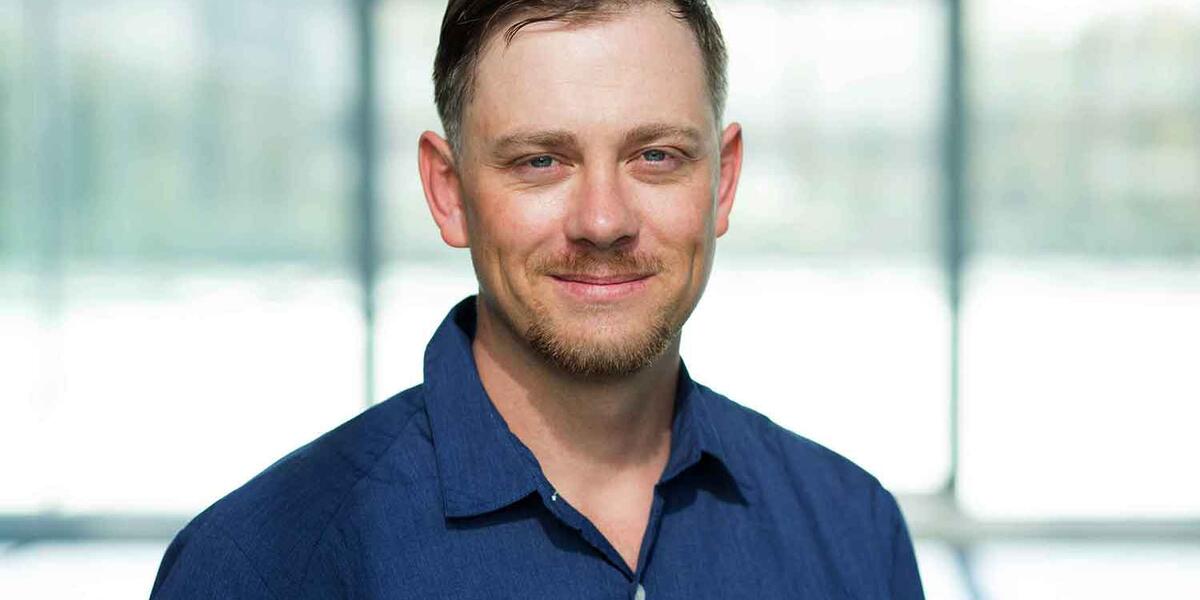
Bob joined Tag1 in 2010 after studying business and accounting at Portland Community College. Since then Tag1 has experienced a considerable amount of growth and Bob has grown right along with it, maintaining an assortment of administrative duties ranging from bookkeeper to human resource manager.
Outside the office Bob enjoys mountain biking, hiking and spending time with his wife and son.

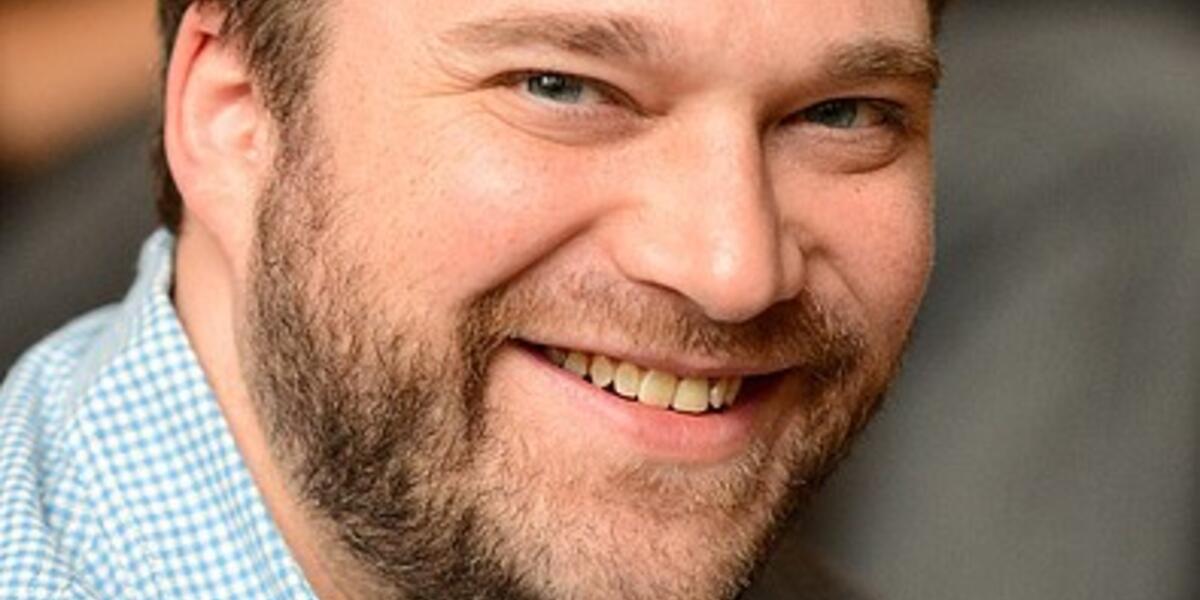
Michael E. Meyers joined Tag1 Consulting as Managing Director in 2017 after a decade of working with the team on many projects.
Prior to joining Tag1, Michael was VP of Developer Relations at Acquia, responsible for developer marketing & events, developer relations, and helped launch the developer products group. Michael co-founded & was CTO of NowPublic.com, the first venture-backed Drupal based startup that pioneered citizen journalism. With the help of Tag1, he grew NowPublic into a top 500 website. As CTO of The Clarity Digital Group, which acquired NowPublic, Michael and the Tag1 team rebuilt Examiner.com, the first Drupal-based top 100 Internet site, and the leading contributor to Drupal 7.
Michael has made major contributions to and helped establish Drupal as one of the most successful open source platforms; He’s an advisor to the Drupal Association board and several startup companies.



Fabian enjoys architecting large websites for Universities, Non-Profits and Startups. He has done innovative work in terms of Scalability and High Performance for Drupal and Mobile Development. He is in general passionate about everything Open Source since GNU was born, which as it happens, is the same day as his birthday.
Fabian is always up to a challenge and has been an active Contributor to Drupal since 2009. He has spoken at DrupalCon Denver, DrupalCon Munich and DrupalCon Portland. In 2012 he started the work to get Twig into Core together with Jen Lampton and succeeded just 30 days after he learned about the project - thanks to a ton of pre-work by the community! Now he is the Technical Lead of the Twig initiative and helps with other contributions to core and he is just loving it.
Interests: High Performance, High Availability, Twig, Drupal (of course), Open Source and Salsa-Dancing

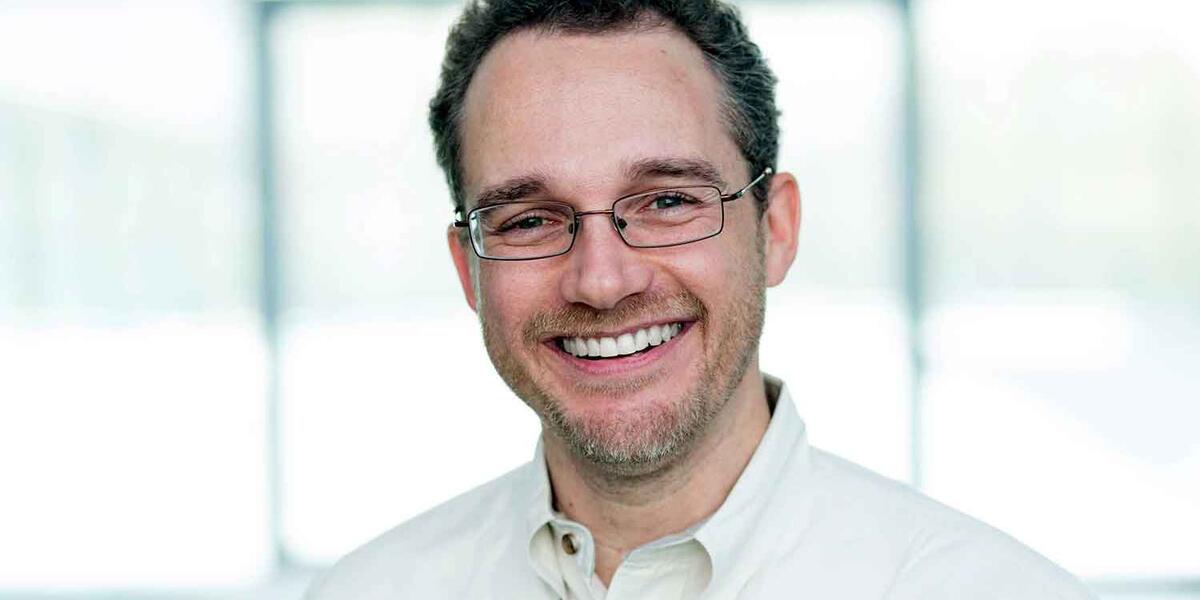
Greg caught the technology bug as a teen while playing with 300-baud modems, bulletin boards, and hacking Pascal and BASIC on a TRS-80.
After a foray into live television, he has been working professionally on telecommunications infrastructure and system administration since 1996. He joined the OSU Open Source Lab in 2006 where he engineered and managed a large online learning infrastructure and worked with many large open source projects including Apache.org, Kernel.org, and Drupal.org.
Since 2012, Greg has provided engineering and technical leadership on several large federal government and nonprofit projects, including two top-level .gov domains. In addition, Greg has served as mentor and organization administrator for the Google Summer of Code since 2006.

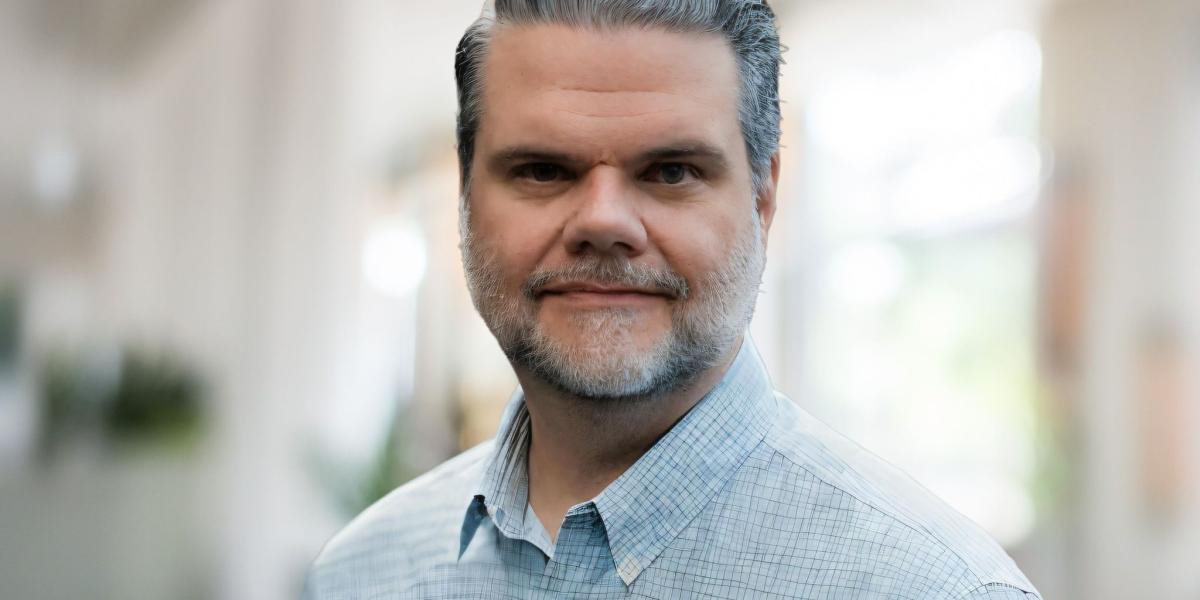
As the Senior Director of Customer Experience, Hank is dedicated to ensuring customers and partners receive the value they expect when working with Tag1.
Hank has been active in the open-source web since the late ‘90s and began working with Drupal right after the release of Drupal 5 in early 2007. Prior to joining Tag1 in 2023, Hank held strategic leadership positions at ImageX, FFW and Pantheon and has served as an advisor to customers ranging from small nonprofits to the Fortune 50.

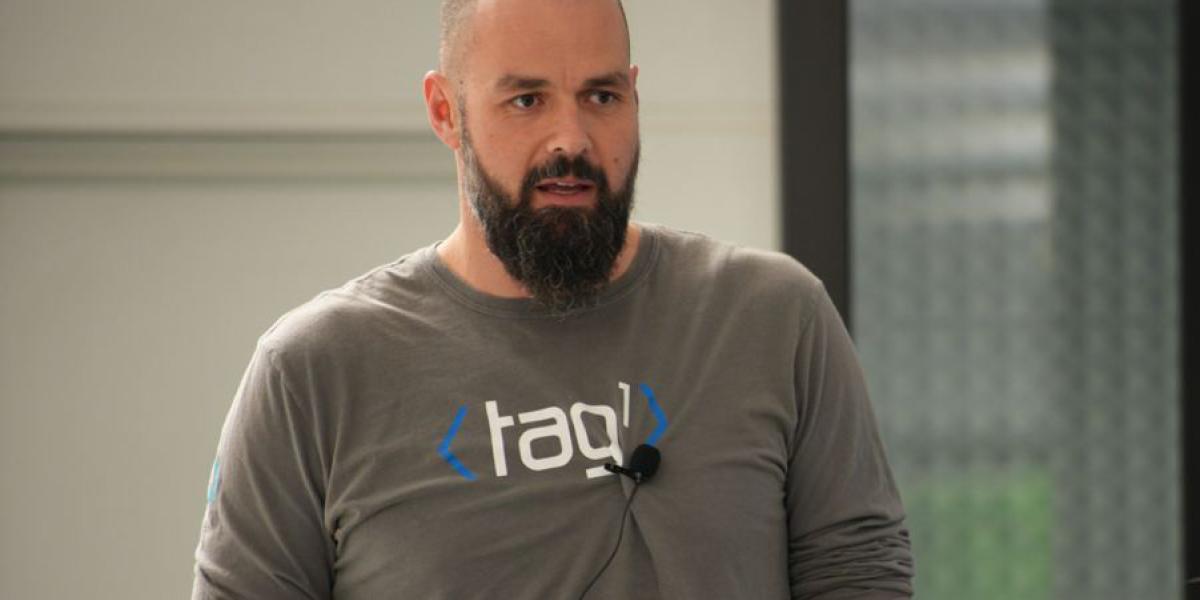

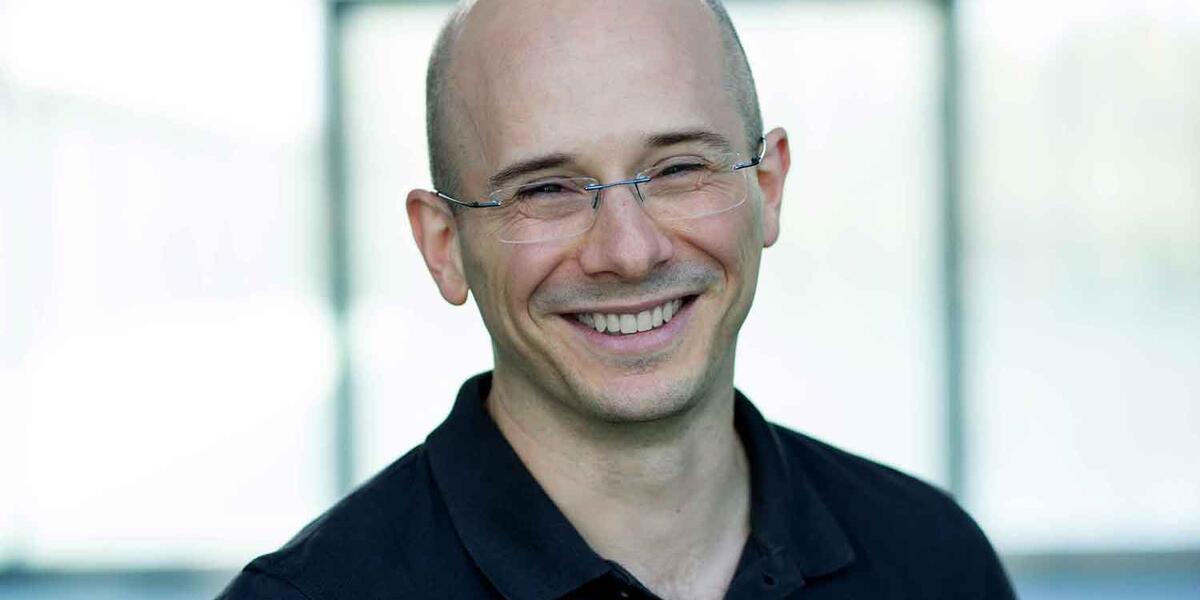
Marco Molinari has been using Drupal since version 4. He is the author of the taxonomy module, one of the features that has distinguished Drupal from its competitors. He has also authored many other modules including the original forum, image, private message and banner modules, and made several contributions to the core including performance and security patches, improvements to the comment system and localization and new user hooks. He uses Drupal to run one of the most popular Italian humor sites, working as author, developer and system administrator.

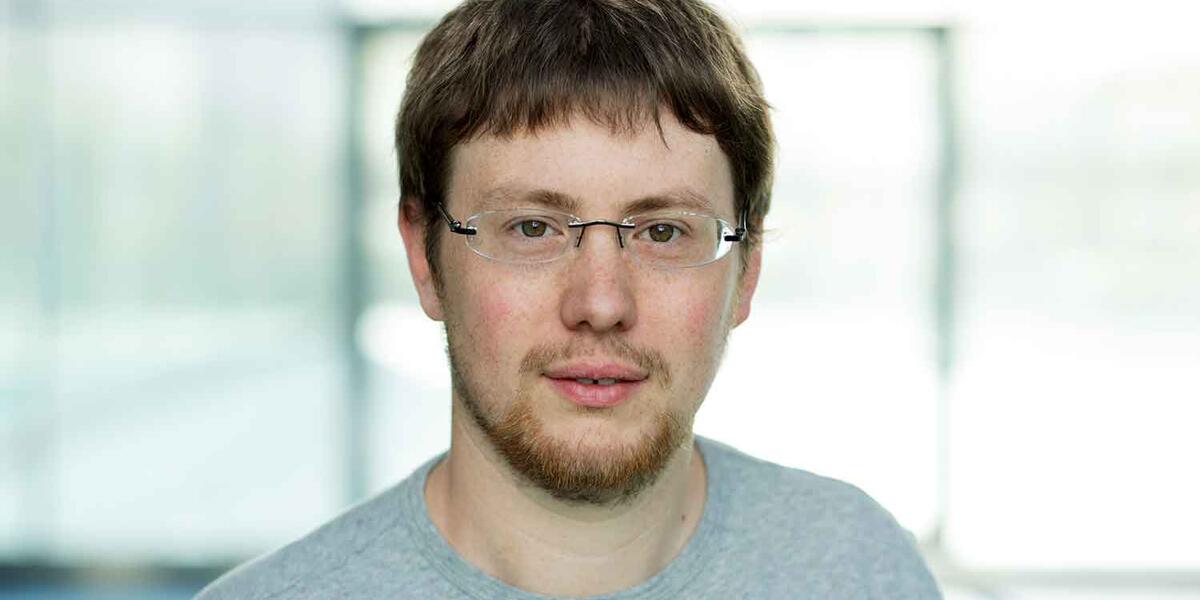
Nathaniel Catchpole has been using Drupal since version 4.5, and has been a regular contributor to Drupal core since 2006; along with extensive code profiling, he has contributed over 400 patches to the Drupal 7 release. He also maintains the core entity, cache and taxonomy subsystems, as well as the memcache and entity cache contributed projects. In September 2011, Nathaniel became branch maintainer for Drupal 8. Nathaniel is a co-author of the O'Reilly book High Performance Drupal. He has been with Tag1 Consulting since September 2010.



Brandon Bergren has been a core Drupal contributor since 2006 and has been implementing and debugging search solutions utilizing Solr since 2011. Brandon is particularly good at debugging complicated software faults, solving performance problems, and providing efficient gatekeeping services.

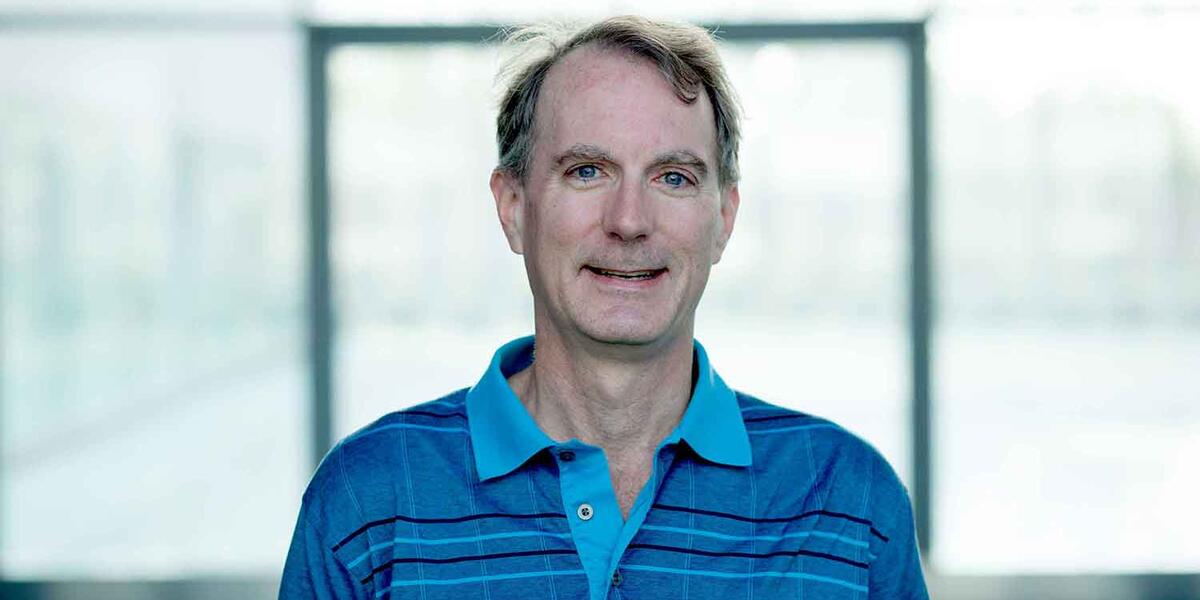
Doug is a 25 year veteran of software development. Doug is recognized as an expert in the Drupal community for inventing the coder.module (a static code flow analysis tool used by almost every Drupal developer), for his contributions to the Drupal core search module, and for his work in helping pioneer the use of the NoSQL database MongoDB with Drupal. Doug has given presentations at over half a dozen DrupalCon's on all of the above topics and more.
Doug was a key member of the team that built Examiner.com, the largest dynamic Drupal website built to date. His efforts as Release Manager is recognized to have helped the site launch months earlier than it might have done so otherwise. Doug published an article in Drupal Watchdog magazine about his ideas and experience in this role.
Doug has specialized in creating interpretive languages, on creating development tools that help other developers, on the development process itself, and on internet technologies. He believes software is functional art and infuses this belief in all his projects.
Long before Drupal, Doug contributed to the internet as early as 1985 with an internet protocol used by Scientists at Univerisities, he graduated from Cornell Engineering in 1986, was an Air Force officer through the late eighties, has an MBA, and was an entrepreneur of several small businesses over the next twenty years.


Travis joined Tag1 in 2019. He got started with Drupal during his time at Oregon State University’s Open Source Lab, a unique organization which provides hosting and resources to open-source projects. At the Lab, he developed a passion for infrastructure and automation while working closely with projects in the PHP ecosystem. At Tag1, he continues to work with infrastructure alongside expert teams of Drupal aficionados.


Diego is a self-taught Free Software Hacker with a B.A. in Communication Studies, Diego has over 15 years of experience contributing to keystone FLOSS projects like GNOME and Debian.
With a strong interest in privacy, digital rights, and social justice, Diego has worked alongside NGOs to uncover country-wide data leaks, protect vulnerable groups, and educate general audiences on the impact of technology on their fundamental rights.
He is currently focused on Python and Django projects, using his diverse technical expertise to solve issues that span different components, languages and topics.


Ada is an experienced developer who is good at juggling multiple tasks for complex projects and an ideal candidate if you are looking to augment your team. She has contributed to high-profile sites managing large datasets, including recently the Tax Policy Center, a joint venture of the Urban Institute and Brookings Institution. Ada has loved becoming part of Drupal’s professional community. She is an active contributor, especially helping to improve the Drupal Core migration system.

Andrei has been passionate about open source since the age of 15, after discovering Linux from various magazines. When he was introduced to Drupal more than 11 years ago, he finally found a place where he could contribute to an open source project, and hasn't stopped since. He is now one of the maintainers of Drupal core's Entity Field API and the Workspaces module.


Charles is a frontend and backend Drupal developer, with 22 years of experience building websites, and over 17 years of Drupal experience, and is most excited about opportunities to learn and grow as a developer. When he’s not working, he’s surfing, hiking the mountains around South Africa, or sitting at his piano.


Edys is a reliable, back-end Drupal developer who knows how to handle large datasets and create sites that need high-performing search capabilities. He has worked on a number of research publication sites for large universities and think tanks, including recently the National Education Policy Center.

Francesco has been working on Drupal core since 2009. After rewriting the language negotiation and content translation systems in Drupal 7, he became core maintainer for both subsystems in Drupal 7 and 8. During the Drupal 8 lifecycle he has become one of the top contributors of the Drupal 8 Multilingual Initiative, as well as one of the most active contributors to the new Entity system, with foundational work on the storage, form and translation subsystems. He is also the author of the Entity Translation and Title modules.
Before joining Tag1 Consulting, Francesco ran his own web agency for 7 years in the beautiful city of Venice, Italy, where he lives. His formal education includes a Master's degree in Computer Science at the Ca' Foscari University of Venice with a thesis on network cryptography. When he is not losing sleep on Drupal core, you can find him drinking beer, playing bass, practicing judo and equitably shin-kicking people while playing soccer.

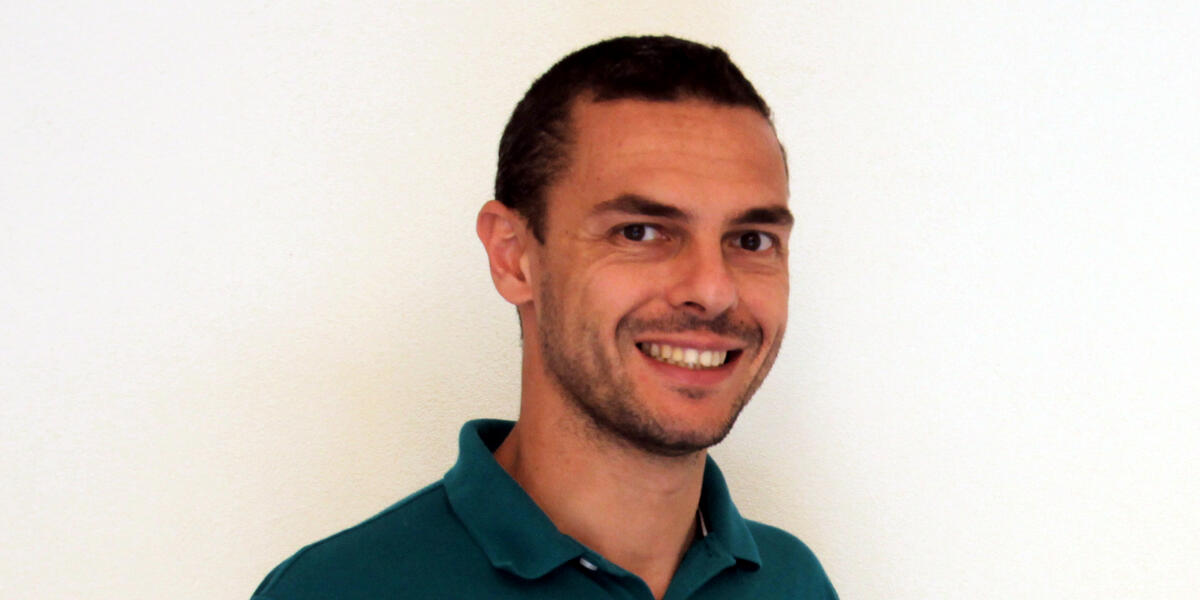
I’ve started doing web development while working on my degree in Computer Science for Humanistic Disciplines, after getting a degree in Literature and Philosophy. After that, I collaborated to a two-year national research project with the Ca’ Foscari University of Venice; and then I’ve started a web agency in my city, Venice. I have been working with Drupal since version 5 and in my ten years of community membership I have contributed to the development of various modules and wrote patches for both core and contrib projects. In my web agency I mainly deal with project management and back-end development. In my spare time, I love soccer, playing mountain sports, both in winter and in summer, and playing guitar. I'm an incurable metalhead.


Giles started his professional life as a programmer for development projects in Kenya, where, among other tasks, he wrote the first budget analysis software for the Republic of Kenya. After working as a corporate and tax lawyer for many years, he finally returned to his roots. Since 2007, he has been building websites and web-based tools to help web-based startups and non-profits achieve their goals. Perhaps most publicly, Giles spent over a year heading the team of internal developers working on re-building the main website for the Commonwealth of Massachusetts to make it more responsive to the needs of Massachusetts citizens.

Jake is a backend engineer based in Carlisle England, specialising in Drupal and PHP. When not working he can be found out and about in the lake district or spending time with his friends and family.


Janie is a project manager with a passion for collaboration and aligning technical teams to a shared vision. An advocate for the servant-leadership philosophy, she enjoys collaborative problem solving and applying agile methodologies to complex problems. Having started her career in research and development, Janie has worked at all levels of software engineering- from business analysis, through software development, to product direction and leadership. Contributing to Hewlett-Packard’s enterprise graphics workstation division for nearly nine years, Janie shares ownership of a patent (US20030158886A1) for networked system display rendering.
Throughout her career, Janie has been a volunteer for programs encouraging young women to pursue STEM careers. She is an active volunteer in her community, contributing her time to multiple non-profits across the Northern Colorado region.

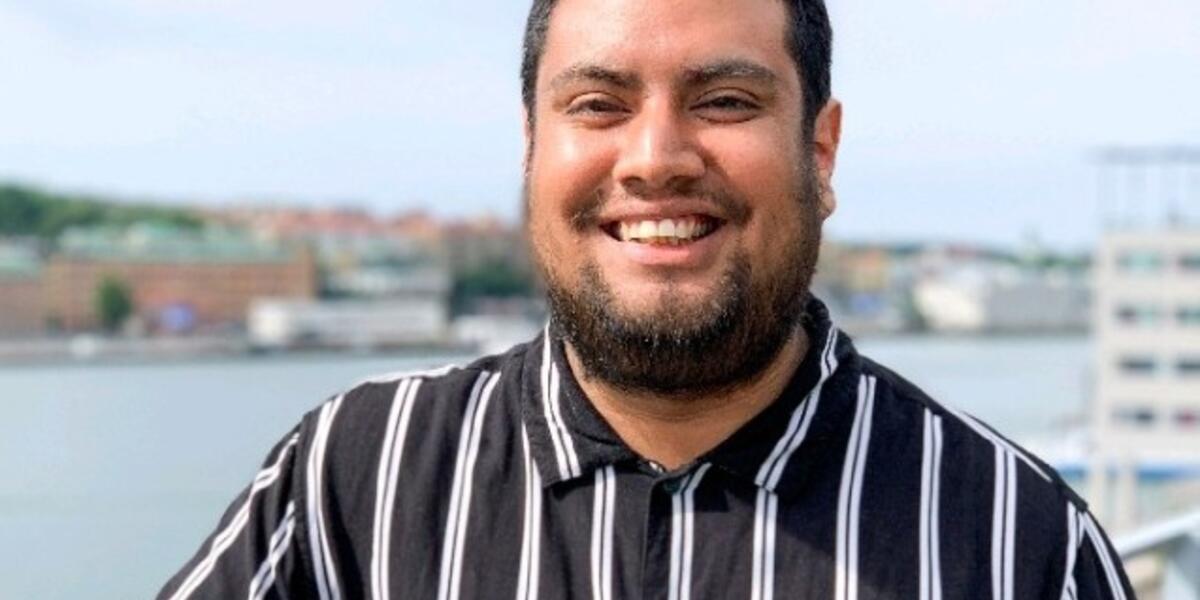
Jonathan is a Senior Software Engineer, focusing mainly on Mobile and Web Development. He has extensive experience in the Utilities, FinTech, EdTech, MedTech and Automotive Industries. He enjoys building applications at all stages of the development lifecycle.

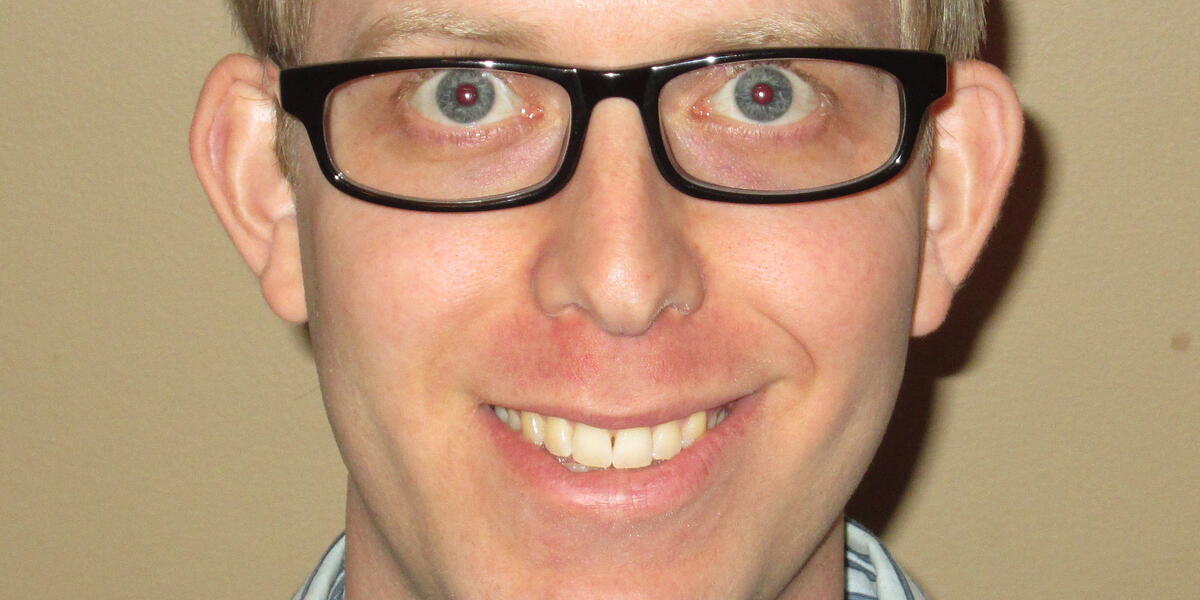
Lucas is a frequent core contributor, core contribution mentor, Drupal.org security advisory coverage application reviewer and general nice guy. He became core sub-system maintainer for Migrate in Drupal 8 in 2016 and currently also is the primary maintainer for Migrate Plus, Migrate Tools, Migrate Upgrade and Commerce Migrate. Former Java/Spring developer. Past LDAP admin/guru, former CISSP holder, experience as data architect and many other technologies. Former CCNP/CCDP, MCSE, etc.
Outside of Drupal, Lucas spends most of his time with his wife and kids, church activities and living a multi-cultural life in Nicaragua.

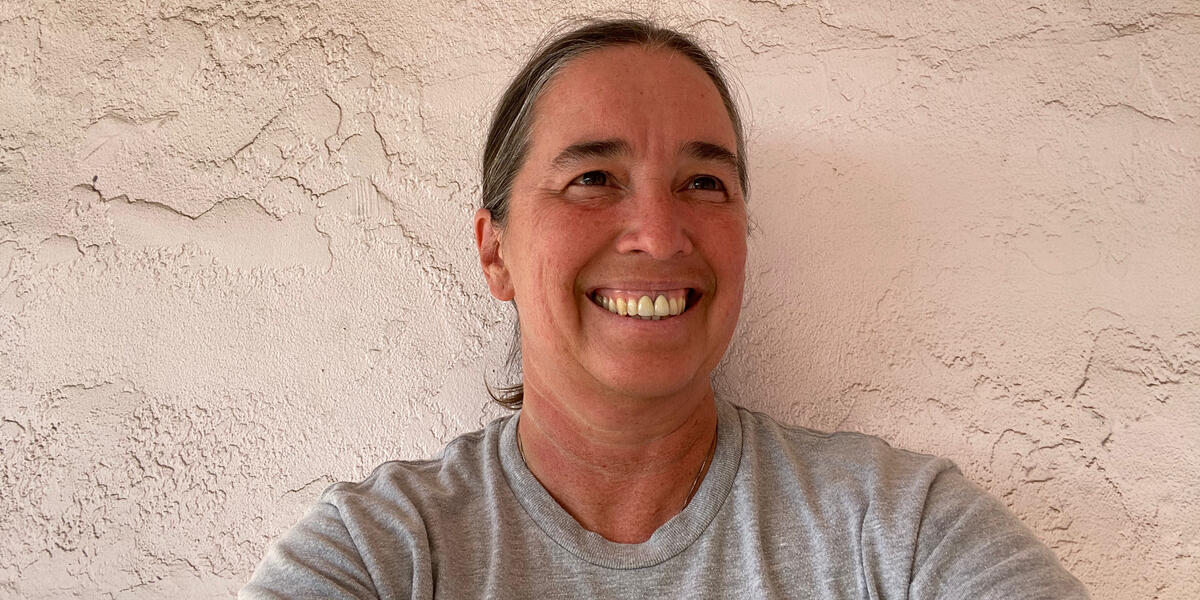
Lynette has been part of the Drupal community since Drupalcon Brussels in 2006. She comes from a technical support background, from front-line to developer liaison, giving her a strong understanding of the user experience. She took the next step by writing the majority of Drupal's Building Blocks, focused on some of the most popular Drupal modules at the time. From there, she moved on to working as a professional technical writer, spending seven years at Acquia, working with nearly every product offering. As a writer, her mantra is "Make your documentation so good your users never need to call you."
Lynette lives in San Jose, California where she is a knitter, occasionally a brewer, a newly-minted 3D printing enthusiast, and has too many other hobbies. She also homeschools her two children, and has three house cats, two porch cats, and two rabbits.

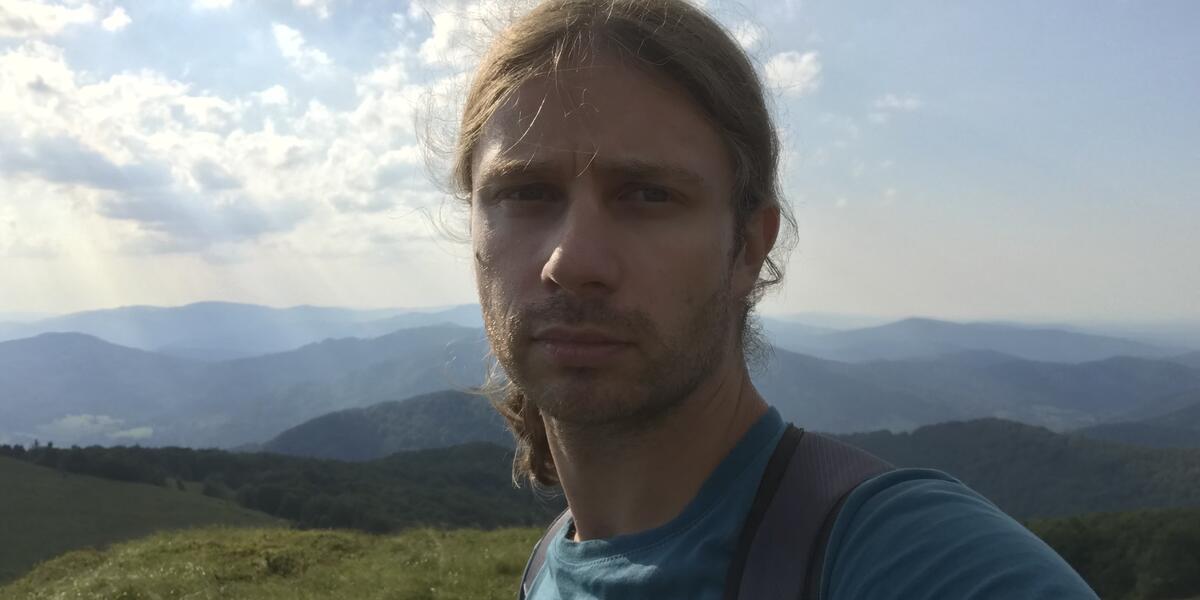
Marcin began programming when he needed to solve a partial differential equation system for fluid mechanics modeling. After that everything seemed relatively easy. Drupal has proven to be a good challenge and let him do things people needed more which brought a lot of satisfaction for him, weather it was paid work or something for the community.
Backend developer, creator and maintainer of the Views Bulk Operations module since Drupal 8, father and extreme sports enthusiast.

Mauricio Dinarte is a senior software engineer with more than a decade of web development experience. He enjoys working with Drupal, React.js and WordPress. As an active member of these open source communities, Mauricio gives back by contributing code, writing documentation, mentoring people, and organizing events. His passion for teaching and traveling has led him to present dozens of talks and workshops at events all over the world, including DrupalCon and WordCamp US.
Mauricio holds a master's degree in business administration. He spends his free time reading, learning French, and blogging at UnderstandDrupal.com




Mike has been doing data migration work, primarily in the Drupal world, since 2008. He co-created the original migrate module in Drupal 6 and 7 with Moshe Weitzman, and went on to contribute to the incorporation of the migration framework into Drupal 8, as well as creating several migration-related contrib modules including migrate_plus, migrate_tools, and migrate_upgrade. He is currently extending his data migration beyond Drupal with the Soong ETL library for PHP.



Patrick is an enthusiastic ReactJS user since 2015 and brings a lot of skill and knowledge for building good looking and performant web applications. He considers good UI and UX an essential part of a product and strives for technical solutions that always fit in everyone's head. At Tag he is connecting the dots between Drupal backends and UI components.
He is also an active Open Source contributor and core team member of the ReScript programming language, focusing on innovative solutions in the ReactJS ecosystem.

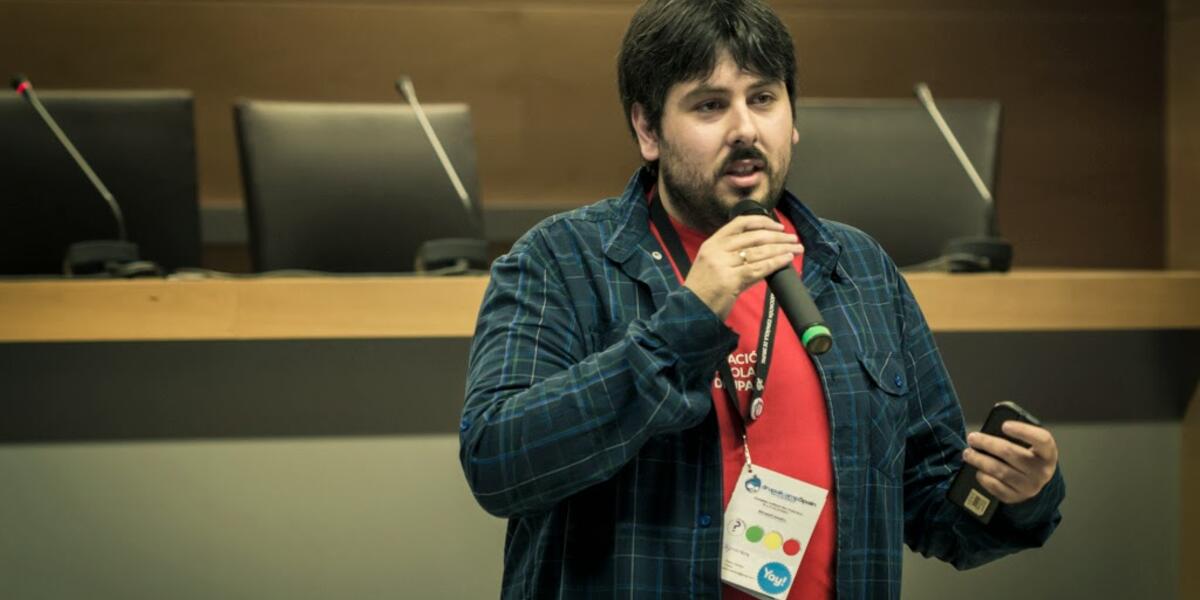
I'm a backend Drupal developer with extensive experience working with Drupal 7 and 8 projects. I've worked in many different industries, including large organizations such as United Nations, non-for-profits such as Cancer Research UK or Anthony Nolan and I also have a strong background working with large E-commerce integrations.
I've contributed to the Drupal project and community with a number of popular contributed modules, and have helped organize events in Spain, Japan and the UK. I've been involved in the organisation of several Drupalcons and in 2012, I was elected by the Drupal community as director for the Drupal Association for one term.


Preston is a product strategist, developer advocate, speaker, and author of Decoupled Drupal in Practice (Apress, 2018).
A globally recognized voice on decoupled Drupal and subject matter expert in the decentralized web and conversational design, Preston is Editor in Chief at Tag1 Consulting and Principal Product Manager at Gatsby, where he works on improving the Gatsby developer experience and driving product development.
Having spoken at over 50 conferences, Preston is a sought-after presenter with keynotes on five continents and in three languages.

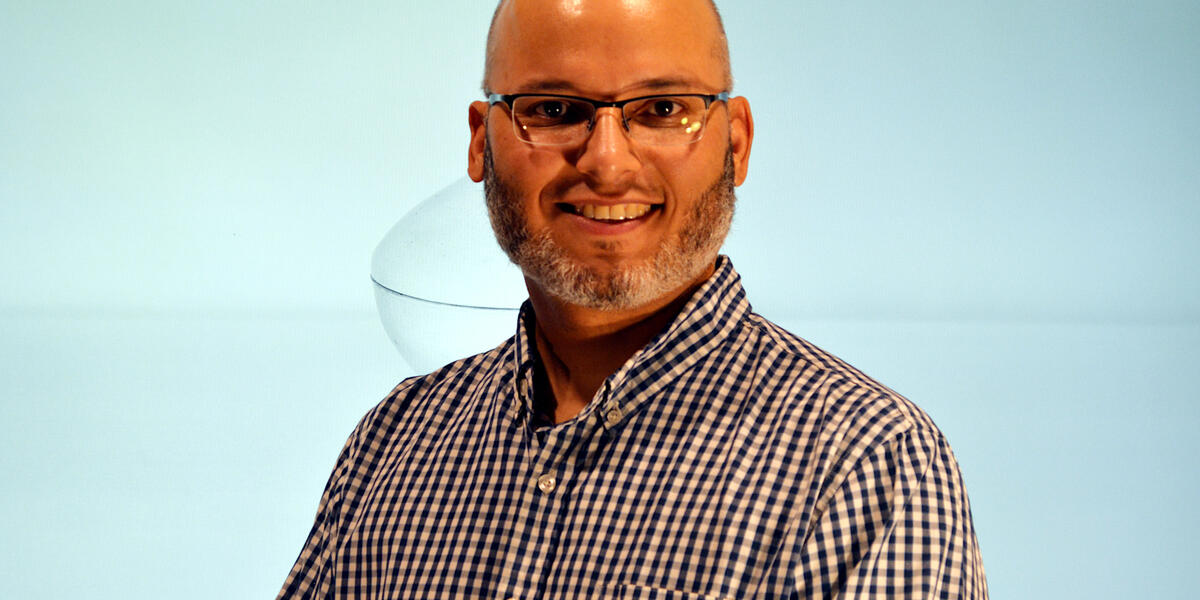
Ray finds elegant solutions to intricate problems. He architects and builds tightly integrated web applications for medium- and large-scale platforms. He is a graduate of Harvard University.
With his wife and 3 kids, Ray lives in Indianapolis. He enjoys gaming, hiking, and spending time with family.

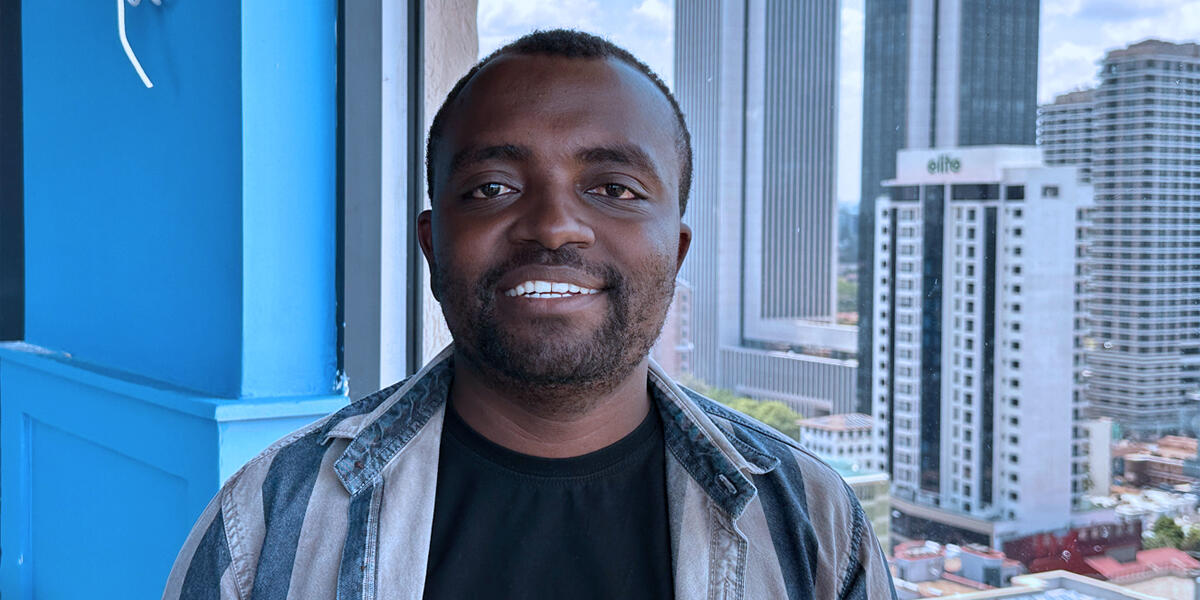
With over 6 years of experience building custom Drupal sites, Sammy is a skilled and passionate Drupal developer. His areas of expertise include Drupal site building, theming, and module development. When he is not coding, Sammy enjoys exploring new tech trends and experimenting with new development tools. As an avid gamer, he enjoys exploring the latest video game releases. He also contributes to open-source projects and shares his knowledge with other developers. Sammy is committed to staying current with the latest industry developments and continuously improving his skills through professional development.

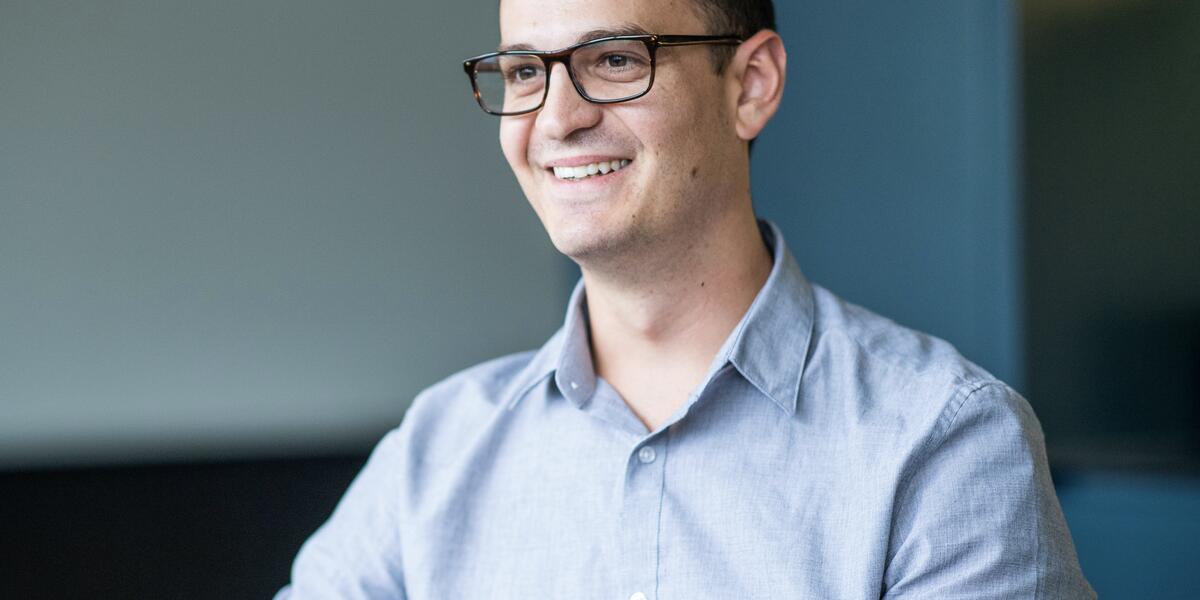
Saša's biggest trait is curiosity and openness to new ideas. While he focuses on frontend development and site building, he will not be shy about solving various other problems. He's been part of the Drupal community since 2015 and contributed to various modules, shared his knowledge at conferences and universities. Saša is passionate about languages, travelling, mountain biking and playing guitar.

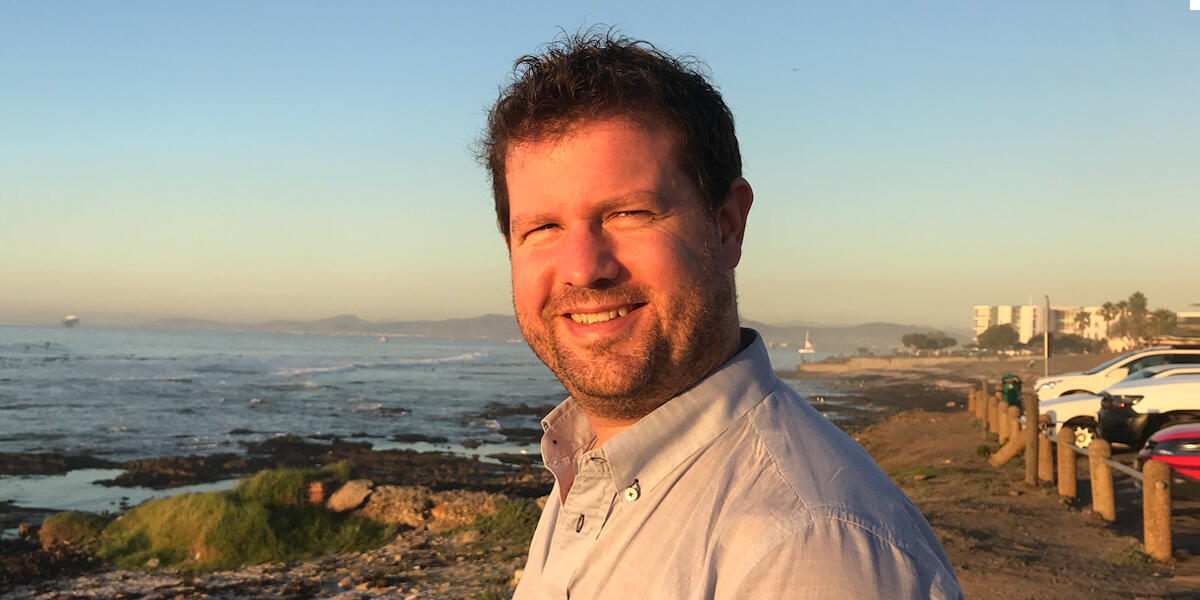
Scott possesses the unique power of being able to speak both programmer and human. He is a specialist in bridging the communication gap between developers and both high & lower level non-technical team members.
Scott first put finger-to-keyboard and punched out his first Hello World at the age of 14 (a lot of years ago, when he should have been out making trouble like everyone else). He's been involved in Drupal since 2006, using the platform for personal projects as well as maintaining and building a variety of contributed modules. Beyond that, he has years of low-level technical experience in security and a variety of other server-side management.
He further has 6 years of entrepreneurial experience. He is the co-founder of South Africa's largest online design and craft marketplace, Hello Pretty and Hello Man. Using Drupal as a base he built and highly customised the site, all while being involved in finances, marketing, strategy, user experience, and most importantly, ensuring the team was well topped up on coffee.


Shirley is a been-there, done-that technical professional with skills and experience in project management, delivery, operations and business strategy. She has worked and delivered on digital and IT projects from SaaS, application integrations, custom content management systems, website re-architecture and design, content production and digital marketing strategies.
Her problem solving focus and generalist viewpoint mean she can break down and build up tasks, and make disparate but necessary connections for product delivery and project completion, and she deals well with all levels of an organization from the C-suite down.
Shirley is a certified scrum master with a Ph.D in molecular biology and genetics. She's also a published author, find her on Amazon!

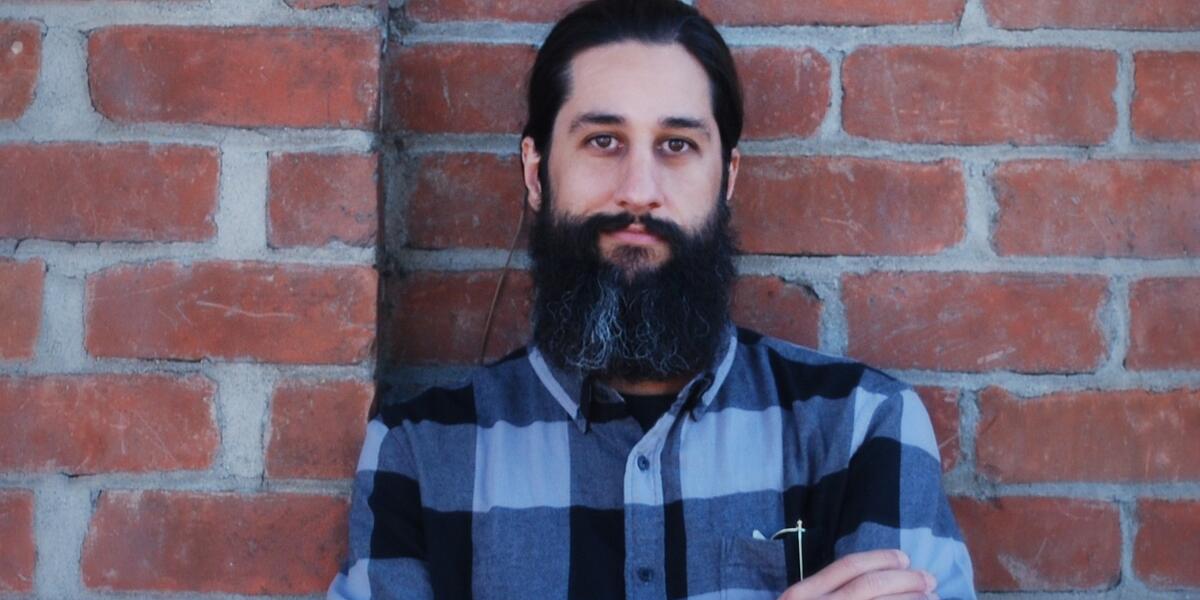
Tim is a lifelong computer enthusiast and has been building and programming them for over 25 years. Before college he took a brief 6 year hiatus and served as a Navy air traffic control CATCC supervisor aboard the flagship carrier USS Ronald Reagan. Afterwards, he joined Drupal’s core mentoring program where he learned to find bugs and has been on the hunt ever since. When he's not doing a Drupal deep dive you'll find him at the beach teaching his daughter to surf.